
Website Design
The Free Token Trap — What a Billion Tokens Actually Get You in Claude Code
Nov
A billion tokens is a headline. The exact model, eligible allowance and usage limits tell you what you can actually finish. Check those three things before you spend an hour following a setup tutorial.
A video opens Claude Code, asks it a question and gets an answer. Then the creator says you can get a billion free tokens. Those are two separate observations. The demo may show a working connection, while the offer may apply to a different model, a shared pool, or a limited promotional period. The video needs to show how the offer, account and model used in the demo fit together.
What do “free Claude Code tokens” actually buy?
Tokens are units used to measure model input and output. A coding request can include your prompt, file contents and results from earlier steps. The model’s response also uses tokens. A credit balance pays for eligible usage under the provider’s billing rules. The balance alone does not tell you how long a session will run or which model you can access.
| Access | What you get |
|---|---|
| Claude Pro | Subscription access through your Claude login. Claude and Claude Code share plan usage limits. |
| Anthropic Console credits | Credits billed separately for API usage. They can cover Claude Code when you use it through the Console. |
| Third-party promotion | Access defined by the provider. Check eligible models, account limits, expiry and compatibility. |
Anthropic documents both subscription and Console access. It also documents gateway configurations. That is why the Claude Code interface alone cannot establish which provider or model processed a request. Compare the video’s claim with the provider’s own documentation. Claude plan access · API billing · Gateway documentation.
Do the maths before you install anything
Per-minute limits are a separate constraint. If you ask a coding tool to read several files and run checks, it can make multiple requests. A request limit can slow the job while your balance remains high. Anthropic’s API, for example, specifies separate request, input-token and output-token rate limits. Use the limits published by the provider you are evaluating. Anthropic API rate limits.

The one-minute checklist for free Claude Code tokens
- 1Find the original offer. Go to the provider’s site and read the offer terms. A referral link and a video thumbnail do not establish eligibility.
- 2Name the exact model. Match the model ID listed in the provider’s docs or account dashboard to the model the creator claims to use. Check for automatic fallbacks if the offer has them.
- 3Check what the allowance covers. Determine whether the tokens are allocated to you, shared, restricted to certain models or available only through the provider’s own interface.
- 4Check expiry and limits. Look for daily caps, requests per minute, input and output limits, and the end date.
- 5Check how billing starts. Find out whether requests stop at the limit or continue as paid usage if you enable billing.
- 6Verify the setup. Prefer the provider’s documented instructions. Keep account credentials and production secrets out of third-party tutorials and sample projects.
A claim is unverified when you can’t trace it to a source. If a video explicitly promises Claude Pro and the original terms describe a third-party API allowance, you have a specific mismatch to point out. If the terms and demo agree, decide whether the setup is worth your time for the work you actually do.
Test a real task before moving a client project
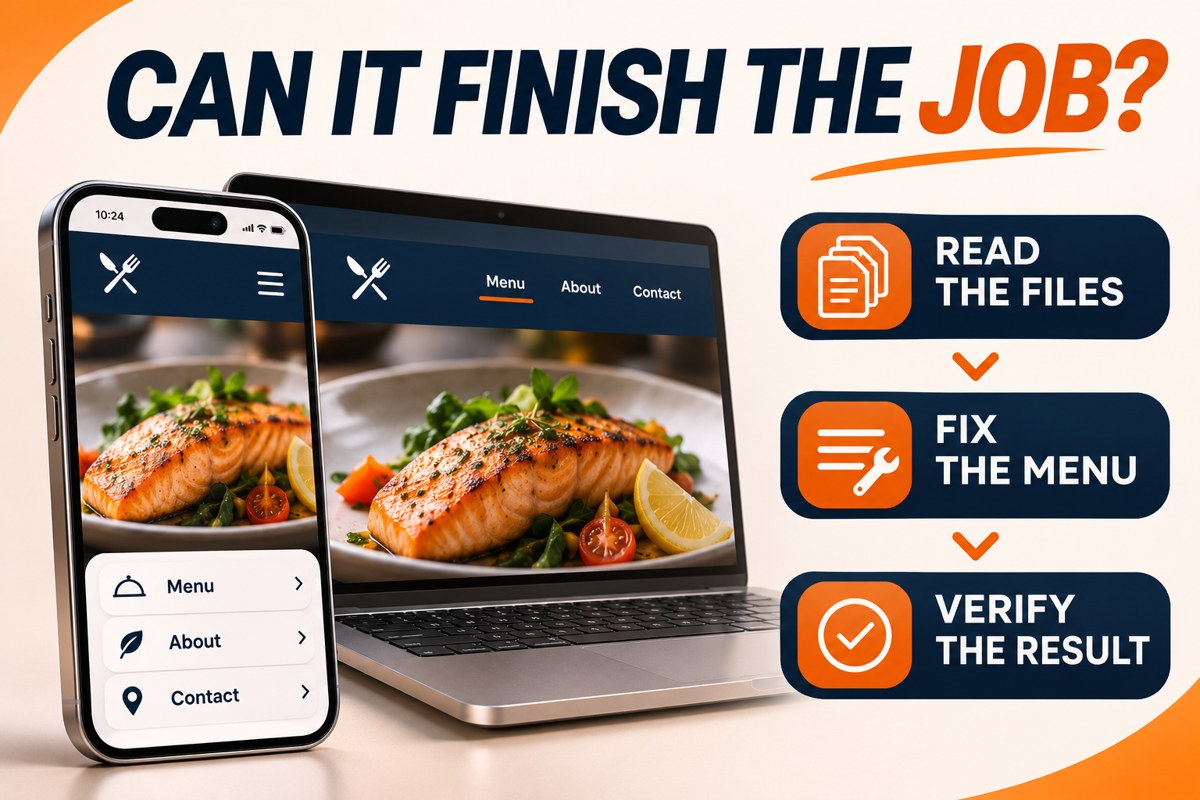
Make a copy of a small website with a mobile menu that stays open after you tap a link. Ask the tool to locate the event handler, propose the smallest fix and explain how to check it. Give it the same files and instructions each time you compare providers.
| Test | What counts as a pass |
|---|---|
| Read the project | It identifies the relevant markup and JavaScript rather than guessing which file owns the menu. |
| Make a focused edit | The change can be reviewed in a small diff and avoids unrelated layout edits. |
| Verify mobile behavior | The menu opens, closes when you tap a link, and can reopen. Desktop navigation still works. |
| Finish inside the allowance | You can identify the model used and report setup time, any rate-limit errors, and any charges. |
For a small website fix, the outcome is the working change you can reproduce. For a bigger project, test how the workflow handles backups, form delivery and rollback. Our AI vs WordPress guide explains what to compare after the first page is generated. The website maintenance cost guide covers the work your site needs after launch.
When should you stop watching?
Stop early if you can’t identify the offer, its model or its usable limits. If those basics check out, spend ten minutes on a test that matters to you and keep track of the result. A clear offer that completes one useful task is easier to judge than an unexplained number in a thumbnail.
Frequently asked questions
Can I add a third-party token balance to Claude Pro?
A third-party balance is tied to that provider’s billing and access rules. If the provider supports Claude Code, its documentation should tell you where requests go and how charges or credits are applied. Your Claude Pro allowance remains tied to your subscription.
Does one successful response prove the offer works?
It proves the setup returned a response. To judge the offer, check the model recorded by the provider and see whether the session can complete a real task. A multi-step fix can expose limits that a single short prompt never reaches.
What evidence should a good video show?
Look for the dated offer page, an eligible account’s limits, the exact model and an end-to-end demonstration. A creator can show those details without exposing API keys or private project files.
Editorial note: This article checks the documented types of access and presents a sample test. It does not report a hands-on test of a specific promotion or video.
